Auckland city centre - the good, the bad and the ugly
• April 22, 2026
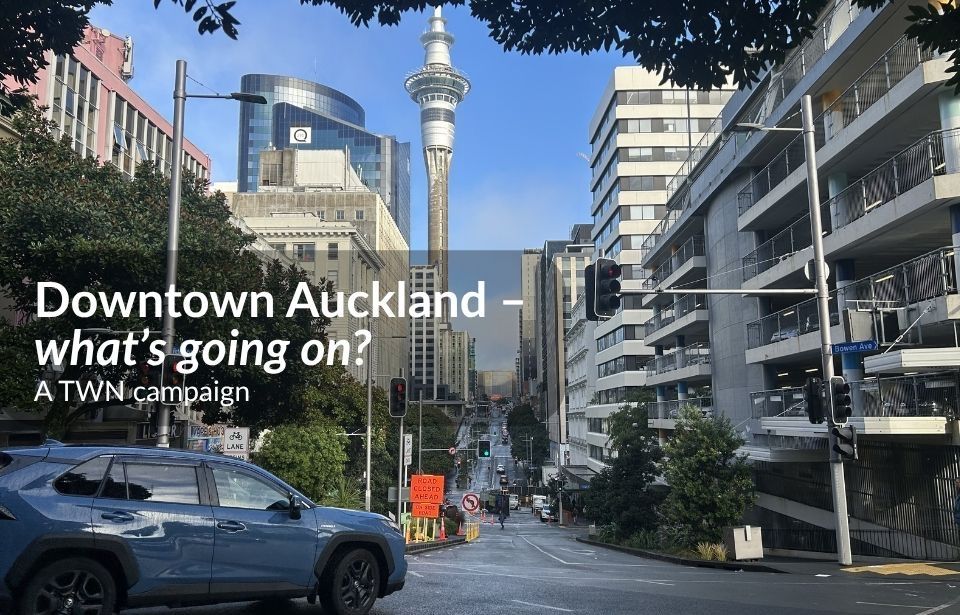
TWN's 2026 campaign looks at just what is going on in the Auckland CBD.
Downtown Auckland has gained a bad reputation.
Scroll through the headlines and the city centre is often reduced to its problems: empty shops, unsafe streets, crime statistics and growing concerns about public safety.
But behind this narrative is still a city that is evolving, shaped by a diverse community which lives, works and is trying to keep the city alive.
So what’s really happening?
This question sits at the heart of Te Waha Nui’s 2026 editorial campaign. Over the coming weeks, our reporters will investigate what life in Auckland’s city centre looks like.
What was once seen as a temporary home for just 9000-10,000 residents in the early 2000s is now attracting more long-term stayers - and even retirees.
Today, downtown Tāmaki Makaurau sees up to 200,000 pedestrian movements a day, with more than 158,000 workers, 53,000 students and almost 40,000 residents.
Students and young professionals are increasingly choosing to live in the city centre, drawn by convenience but often frustrated by cost and lack of community spaces.
Te Waha Nui reporters have already uncovered a divide, with some new residents embracing city living, while others are packing their bags.
Safety, or at least the perception of it, is often the main concern. Security patrols are now a constant presence downtown, yet many Aucklanders remain unclear about what powers they actually have.
The city is changing. Businesses are navigating a new retail environment, with rising rents, shifting spending habits and a post-pandemic economy, while some new spaces are only just emerging.
Waitematā Local Board chair Alexandra Bonham says crime rates have gone down since its peak in 2023, despite ongoing public concern.
“The bad incidents are the ones that make the news.
“People think that there's worse happening than there is, or people are stuck in that time of just after COVID, when crime was a lot worse. And no one's realised that things have changed.”
She says Waitematā Board help improve public safety through initiatives like Take 10, who offer phone chargers, water and safe transport options during weekend nights.
City Centre Residents Group spokesperson Antony Phillips says safety comes with numbers, and a busier city would create a stronger sense of security.
“More people make it safe because it's a passive surveillance.”
Bonham says she’s optimistic about the city’s future, with new business ventures and the city rail link expected to significantly increase foot traffic.
“We're going to have these train stations popping thousands and thousands of people out into the heart of the city.”
She also says the city centre would feel more alive with better use of vacant spaces.
“There's a desire to get cheap access to empty offices or empty shops in order to have arts rehearsals, band rehearsals.
“I would love to see sort of sneaky, secret nightclubs.”
The inner-city culture may not be completely healthy, but it is evolving.
Changes in drinking habits are seeing more experiential bars thrive, and independent cinemas are busier than ever.
However, not all changes are being welcomed, with new policies and developments sparking debate over who the city centre is really for.
Around 73 per cent of inner-city residents don’t own a car, according to Phillips.
He says there is a growing demand for more pedestrian-friendly streets and green spaces over “honking cars that are polluting our streets.”
He also says extended late-night shopping would bring more people into the city during the evenings when it is often very quiet.
New controversial move-on orders have sparked uproar, with strong resistance from Aucklanders as protests take place.
An “unintended consequence” of these orders will likely affect buskers, protesters and street vendors who rely on public space, according to Phillips.
He says funding for outreach services should be the priority.
“If central government invested appropriately in services providing access to these people who are needing it, then probably that would mitigate the situation.”
Too often, downtown Auckland’s narrative is written from a distance.
At Te Waha Nui, we want to hear from the diverse voices who shape the community.
Because it isn’t just a business district, it's a neighbourhood, a shared civic space, a place where thousands of lives intersect each day.
The story of our city centre isn’t over yet.
In fact, it might just be entering a new chapter.
-----
AI was used to transcribe interviews for this story.
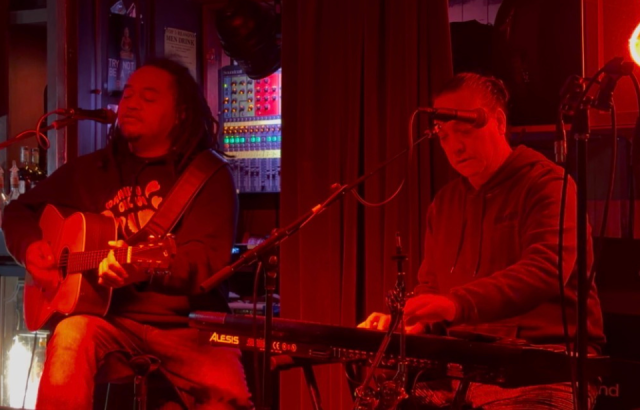
It's not all about streaming: Auckland musicians stand up for live gigs
Vidhhi Panchal • May 21, 2026
It's not all about streaming: Auckland musicians stand up for live gigs
Vidhhi Panchal • May 21, 2026