Auckland galleries see sharp rise in demand for toi Māori
• May 20, 2026
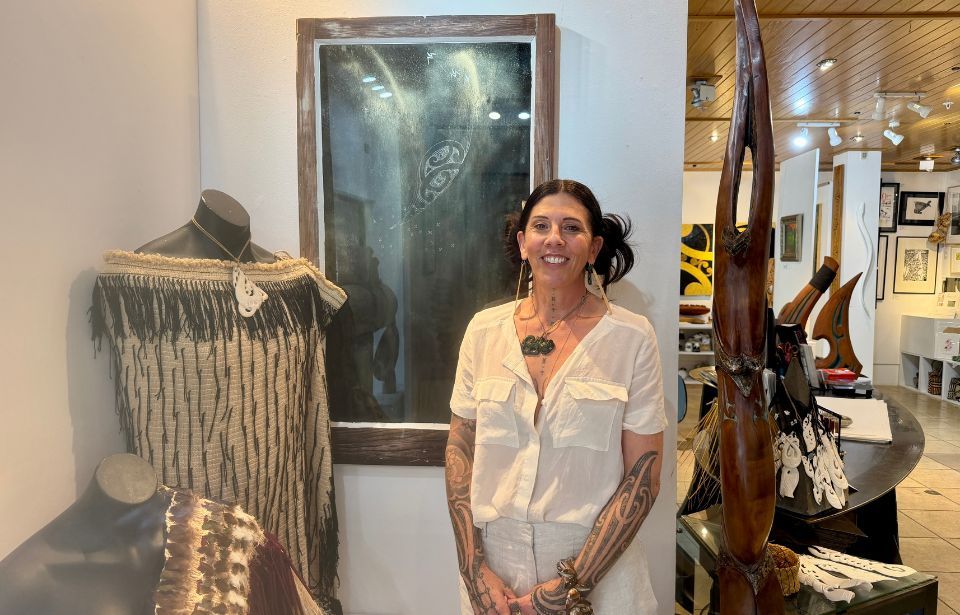
Sera Clifton, the curator/manager of Kura Gallery, Auckland. Photo: Tyra Harrison
LISTEN: Curator at Kura art gallery talks about the increase of Toi Māori demand
Māori art is flourishing in Auckland’s art scene, with surging demand driving indigenous creators to the forefront of major exhibitions and galleries.
Artists and gallerists say the rise of toi Māori marks a reclaiming of narrative, space, and cultural authority for te ao Māori.
Curator and manager of Kura Gallery in Auckland Sera Clifton says the growth of toi Māori reflects resilience and identity but causes ongoing misunderstandings.
“Here in Tamaki Makaurau, we have a significant public presence in toi Māori because of Ngati Whatua ki Orakei, a testament to the resilience and mana of that Iwi.
“However, this often leads to the incorrect assumption from many international visitors that ‘colonisation wasn’t so bad for Māori’. This of course is not true.”
The gallery shows and sells authentic carvings, pounamu, weaving, sculptures, and jewellery.
Clifton says the rise in toi Māori in galleries reflects a reclaiming of space rather than a passing trend, driven by a need to centre work that is uniquely Māori in both form and meaning.
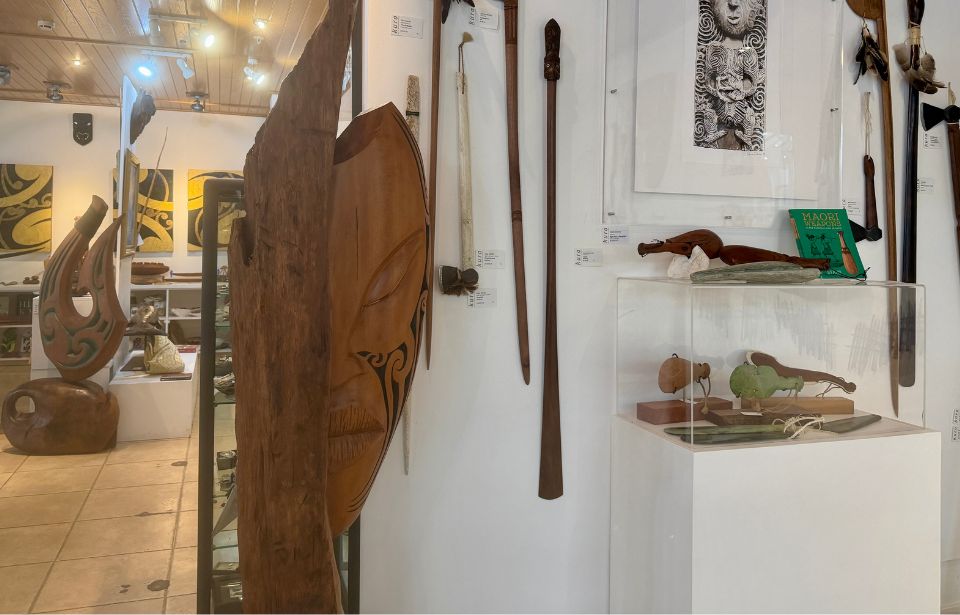
Hand-carved Toi Māori sculpture. Photo: Tyra Harrison
From a Māori worldview, the toi Māori sculptures carry mātauranga, tikanga, and whakapapa, embedded through the process as much as through image.
“The tikanga is not [only] practised in the making . . . for nga iwi Māori it is much much more,” Clifton says.
She points to the importance of understanding the deeper kōrero and pūrākau that sit behind each piece, shaping both its creation and its interpretation.
“In regard to Māori leadership and guidance, my answer is simple. Without guidance and understanding, it is impossible to represent how significant the work is,” she says.
Clifton credits her own grounding in Māori art and education, including Toihoukura and Te Wānanga o Aotearoa, for informing her curatorial practice.
As Auckland’s gallery scene evolves, Clifton says the shift toward toi Māori is not about growth alone, but about recognition.
She says Māori art has always carried its own authority, and is now increasingly given space to stand on its own terms.
According to the Auckland Council’s arts survey report, “around one quarter of Auckland residents participated in Ngā Toi Māori in the last 12 months, an increase of six points since 2020".
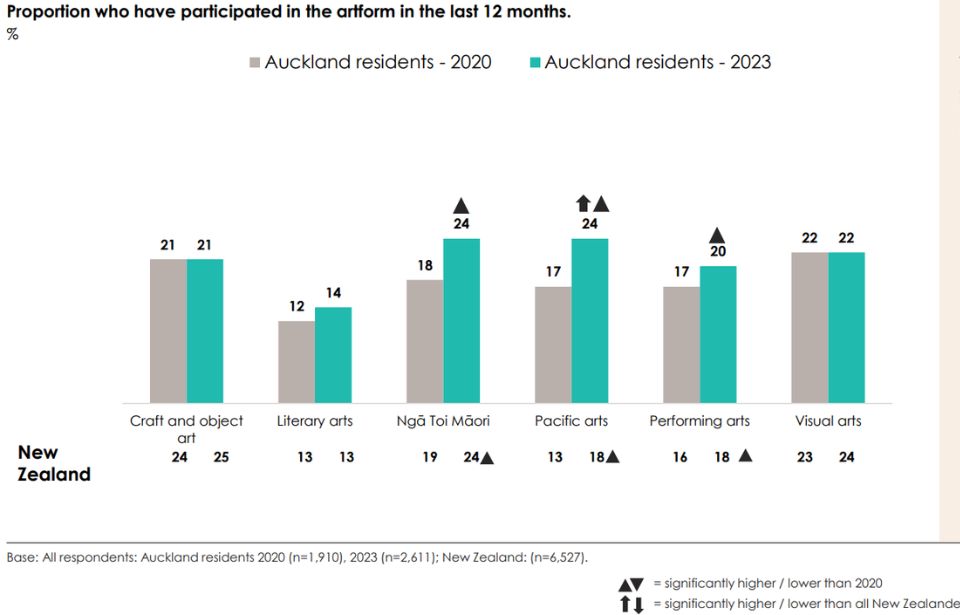
Graph of participation numbers in the last 12 months. Photo: supplied
Further analysis shows that since 2020, Auckland residents are more likely than the national average to participate in ngā Toi Māori and Pacific arts.
Attendance at toi Māori shows has also increased significantly since 2020.
Research shows that 27 per cent of Aucklanders have attended toi Māori events in the last 12 months.
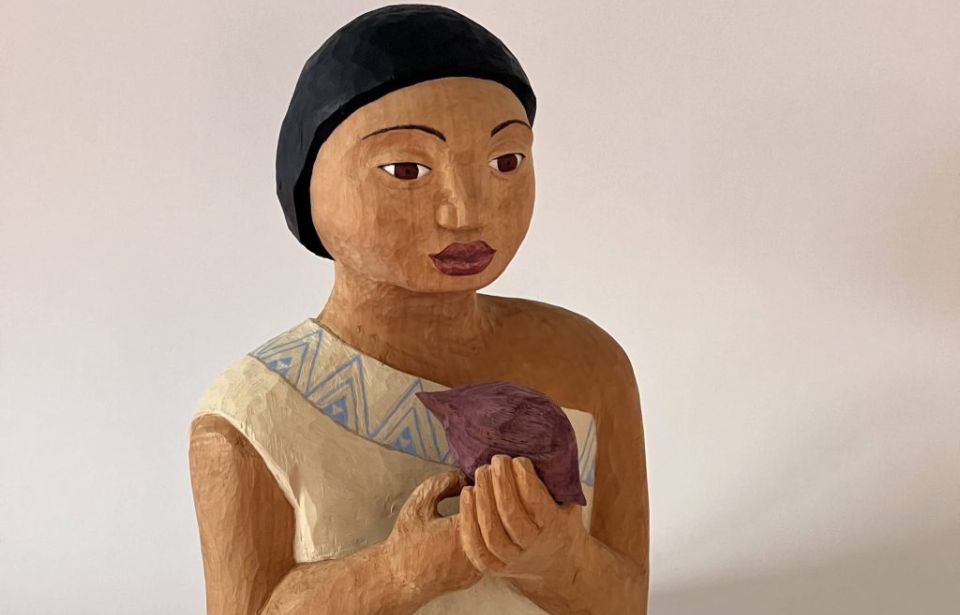
One of Ngaroma’s works, “Once Were Gardeners”, 2024. Photo: Supplied
Artist and curator Ngaroma Riley (Te Rarawa, Te Aupōuri) is represented by Tim Melville gallery, which is also based in Tāmaki Makaurau.
“I think there is increased interest in wāhine Māori carvers and our art making practices. I believe this is because our carvings and stories are unique to us.
“I make my work for my whānau, hapū, iwi and hapori. I tell stories about us, for us. They are stories I would have liked to have had access to when I was a child.”
-----
AI was not used in the creation of this story
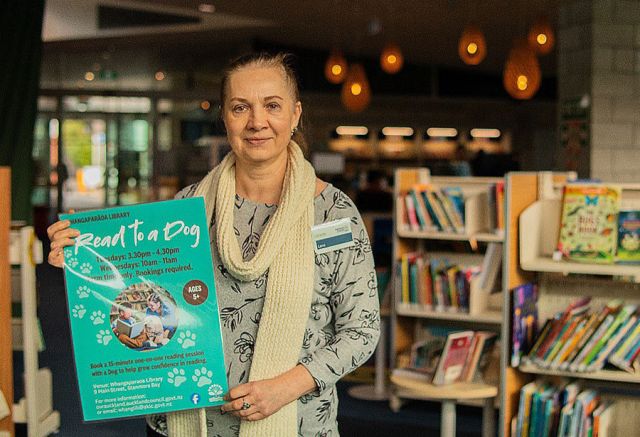
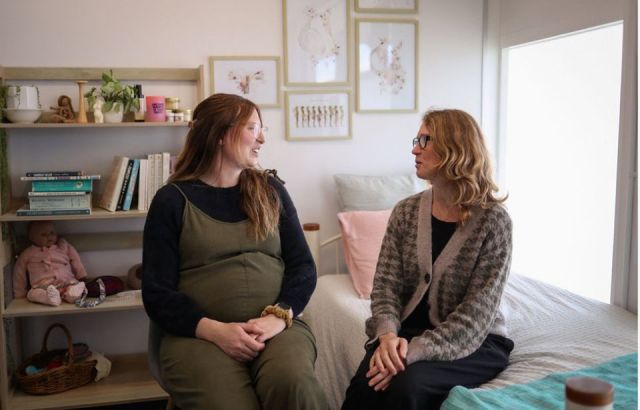
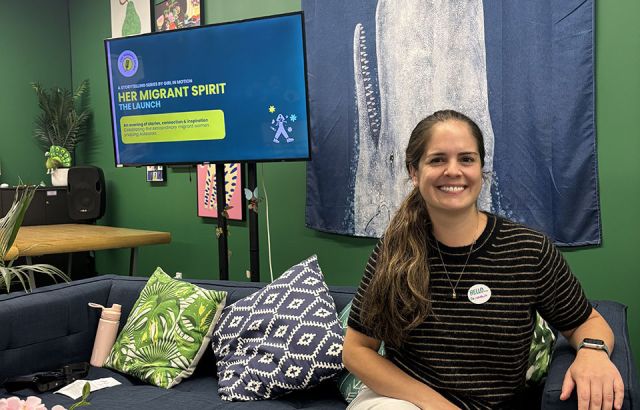
Entrepreneurial platform for migrant women hopes to help change negative narratives
Keesha Levesque • June 8, 2026
Entrepreneurial platform for migrant women hopes to help change negative narratives
Keesha Levesque • June 8, 2026