Relaxed performances are reshaping Auckland theatre for autistic and neurodiverse audiences
• April 29, 2026
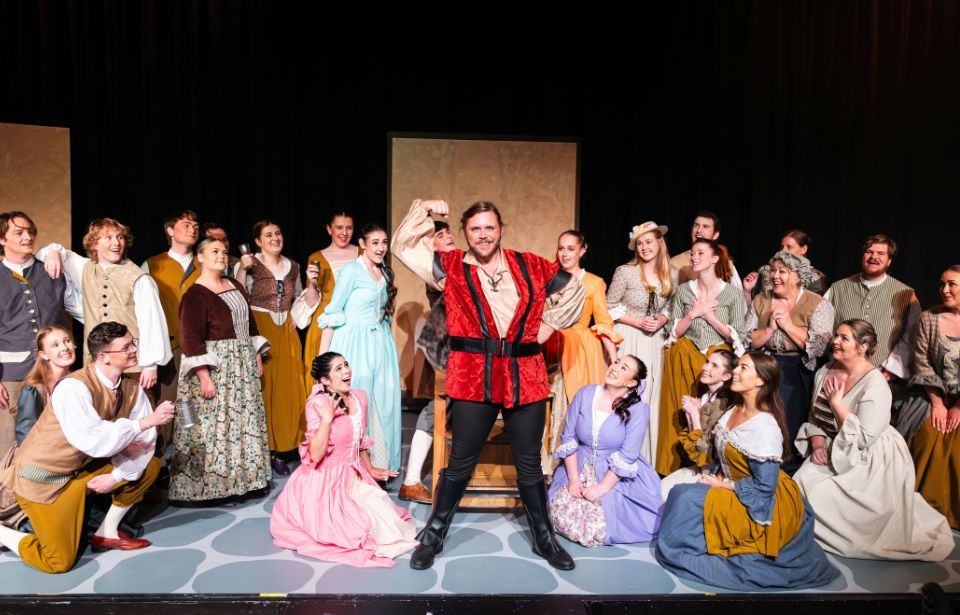
Harlequin Theatre is currently showing its Beauty and the Beast production with a relaxed performance on May 3. Photo: Supplied
Theatre audiences are typically expected to be quiet, but this can be a barrier for the neurodivergent and autistic communities.
Unlike traditional theatre shows, relaxed performances allow people to move freely, be comfortable making noise, and leave and re-enter the space without judgement.
Auckland Theatre Company head of learning and participation Sam Phillips says the focus is not on changing the production itself, but on “providing a judgement-free atmosphere for people to enjoy a show in their own way.”
Phillips says the company has “a civic responsibility to be a theatre company for all of Auckland . . . including disabled Aucklanders.”
Autism NZ communications manager Kirsti Whalen-Stickley says she has noticed more relaxed performances in the programmes of large Auckland theatre organisations.
“There’s been a huge rise in the number of accessible events, including relaxed performances . . . it’s become more of an expectation rather than an exciting one-off,” she says.
“Sometimes it’s just about knowing that there’s not a risk of being judged or removed . . . that is a huge barrier that is removed.”
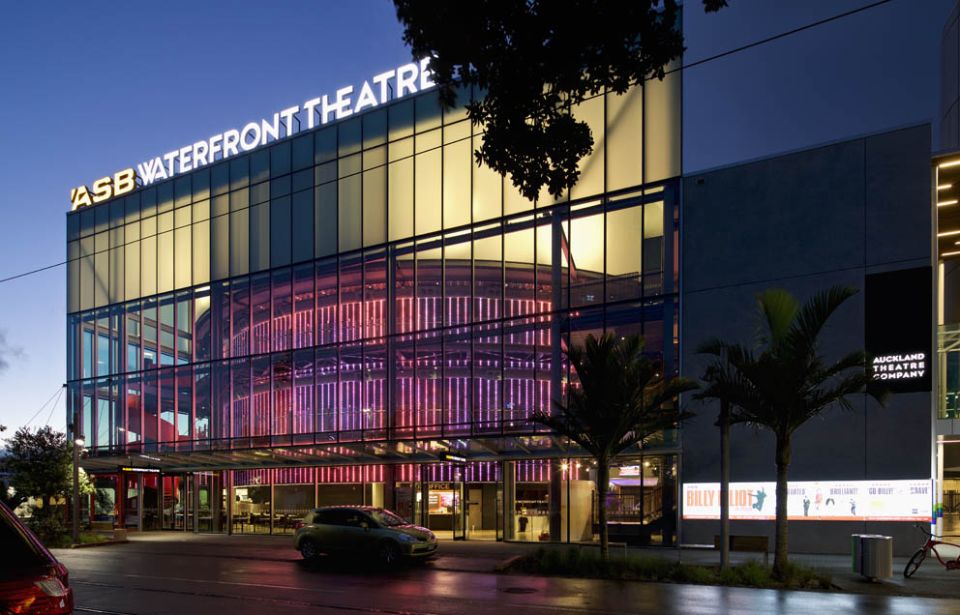
Auckland Theatre Company is one of the organisations that offer relaxed performances at the ASB Waterfront Theatre in the CBD. Photo: Supplied
Auckland Theatre Company’s relaxed performances include pre-show demonstrations that introduce key sensory elements, detailed guides to help audiences prepare, and designated breakout spaces for those needing a pause.
Smaller theatres are also providing more inclusive experiences, such as Harlequin Musical Theatre in East Auckland.
President Dale Smith says its performances include cues like a sign warning “here comes the dragon” to avoid sudden surprises.
Its Shrek relaxed performance included a time-lapse of an actor being made up as Shrek so “people could see that he was just a normal guy and he wasn’t that scary.”
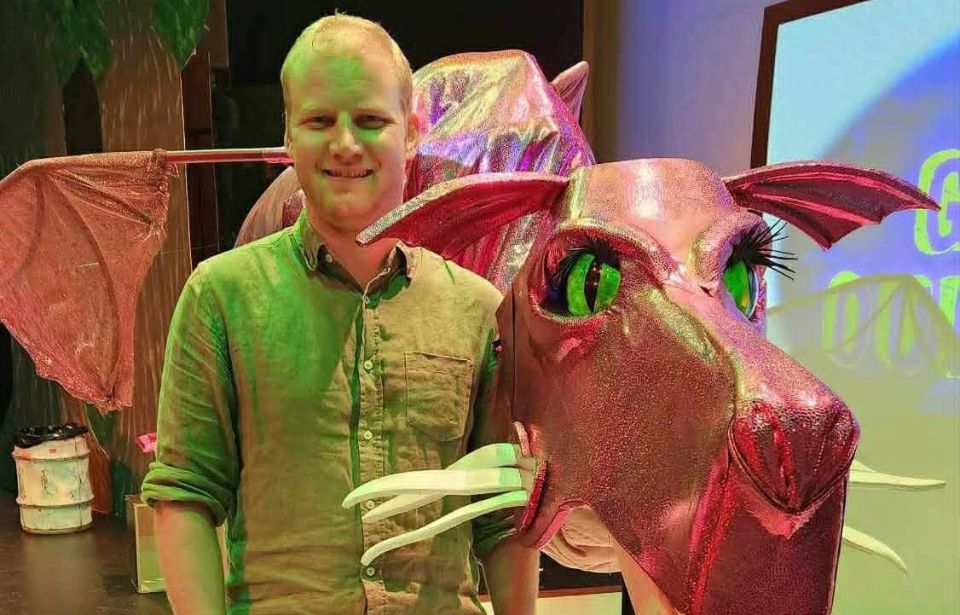
Harlequin Theatre described how its dragon worked for audiences in the intro of its Shrek relaxed performance. Photo: Supplied
Smith says the impact has been clear, particularly for families who may not otherwise attend theatre.
“It’s really cool seeing these parents with their kids that wouldn’t normally be able to experience that.”
At Auckland Theatre Company, a neurodivergent consultant panel reviews productions and identifies sensory elements that may need to be flagged for audiences in advance.
Panel member and sensory consultant Stacey Francis says her role on the panel involves watching early performances and advising on factors like sound, lighting, and visual intensity.
“If there are things that can’t be adjusted, we make sure they’re included in the pre-show documents.
“It’s those kinds of things . . . just giving people a heads up so they have got a choice about how they manage it,” she says.
While relaxed performances are growing, they are still often limited within theatre programmes.
“It’s one show across the whole season… if that’s not a good night for you, then you miss out,” says Francis.
She says small changes can have a wide impact, not just for neurodivergent audiences but for theatre-goers more broadly.
“There’s just little adjustments that need to be made . . . and actually it would be good for everyone.”
-----
Our journalists sometimes use AI tools which are checked by humans for accuracy.
AI was used to transcribe audio from the interview.
It's not all about streaming: Auckland musicians stand up for live gigs
Vidhhi Panchal • May 21, 2026
It's not all about streaming: Auckland musicians stand up for live gigs
Vidhhi Panchal • May 21, 2026