Crowdfunding campaign winds up after teapot settlement
• March 22, 2016
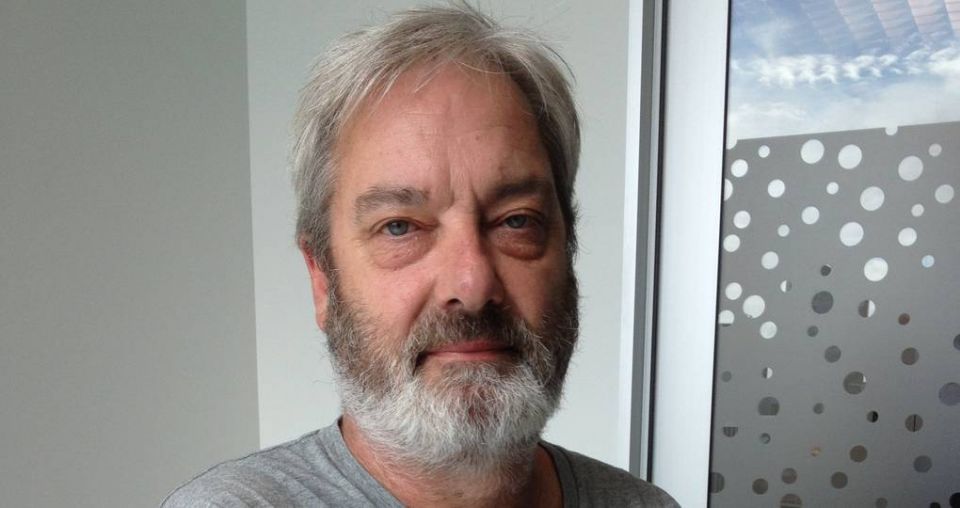
Senior journalism lecturer at Auckland University of Technology, Greg Treadwell. Photo: Niall Anderson
A crowdfunding campaign for freelance cameraman Bradley Ambrose will no longer be required after he settled a defamation lawsuit with Prime Minister John Key.
The lawsuit, stemming from the 2011 "teapot tapes" controversy, required $38,000 in court costs to be heard – a figure that Mr Ambrose was not going to be able to cover with his personal finances.
Senior journalism lecturer at Auckland University of Technology, Greg Treadwell, launched a crowdfunding campaign for Mr Ambrose via the Givealittle website in an attempt to cover those costs.
"It was a matter of principle. I hardly knew Mr Ambrose, I have only been in contact with him for the Givealittle page," said Mr Treadwell.
Mr Ambrose was suing Mr Key for $1.25 million, but the parties agreed to settle the dispute before the court date on April 4.
As a result, the $8,000 raised by 210 donors on Mr Treadwell’s Givealittle page is now in limbo.
Mr Treadwell said he will gauge interest on what to use the money for now that Mr Ambrose will not be requiring it.
"We may consider asking them if they would be willing to send that money to an organisation like the New Zealand Centre Of Investigative Journalism, but that’s their prerogative."
The "teapot tapes" controversy saw Mr Ambrose record a supposedly private conversation Mr Key had with former ACT leader John Banks.
At the time of the incident, Mr Key commented in the media that he believed Mr Ambrose had deliberately recorded the conversation.
Mr Ambrose argued that those comments were defamatory, making it difficult for him to find work.
The Prime Minister’s decision to settle is a change of heart from his comments when the defamation lawsuit was created in December 2014.
At that point Mr Key said, "I have absolutely no intentions of settling," but lawyer Jonathan Forsey said the result was not surprising.
Mr Forsey, who specialises in defamation and media law issues in his role as Special Counsel at Duncan Cotterill, said that over 90 per cent of defamation cases are settled before going to court.
"It is not unusual at all for defamation cases to be settled. There are mechanisms in the defamation act to settle.
"Time and cost is often a feature in litigation of any sort and defamation is no exception," said Mr Forsey.
Mr Treadwell says the decision is a significant one for the journalism profession.
"It’s a good decision for journalism. The media is meant to challenge the powerful and hold them to account, so this is a really important outcome," said Mr Treadwell.


Epsom woman left shaken after confrontation with an angry male pedestrian
Fravash Irani • May 9, 2024
Epsom woman left shaken after confrontation with an angry male pedestrian
Fravash Irani • May 9, 2024