How well are young New Zealanders protected online?
• October 13, 2023
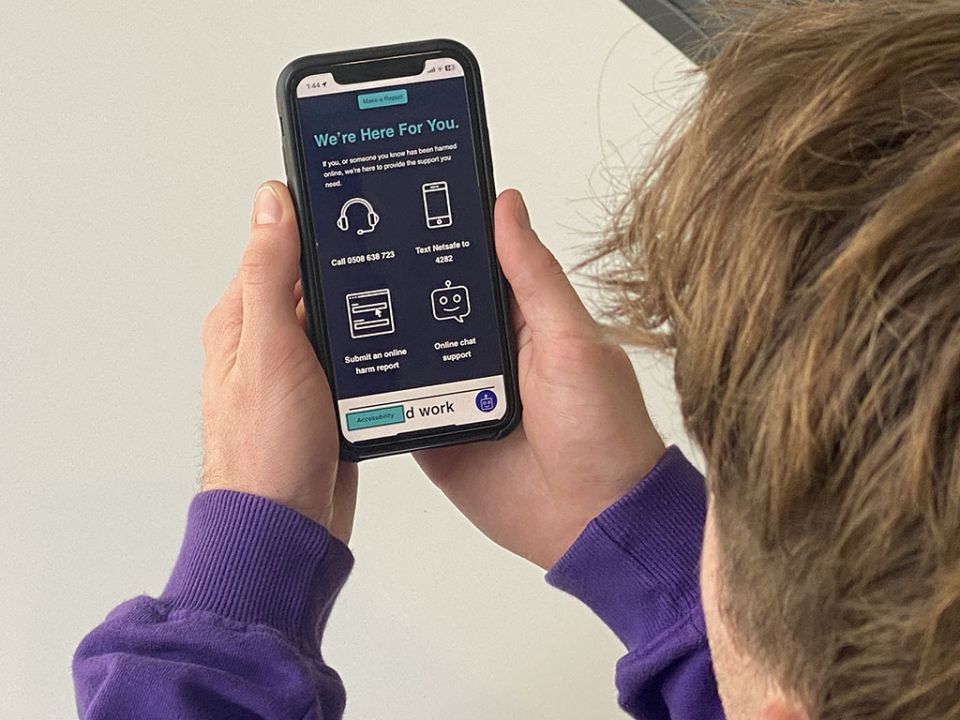
There was a 20 per cent increase in reports of online harm from 2021-2022, according to Netsafe. Photo: Briar Jackson
New regulations are being proposed in order to protect young New Zealanders online after a rise in harmful content and behaviour.
The Department of Internal Affairs (DIA) has been conducting public consultation on a new Safer Online Services and Media Platforms proposal.
The proposed regulations focus on the protection of young people online and on social media, with the DIA suggesting that the current legislation is outdated and not effective against the new level of harm.
In particular, the proposal discusses some specific harmful content including age-inappropriate material, bullying and harassment, and the promotion of self-harm and eating disorders.
Sextortion is another example of the type of harmful behaviour that has been on the rise among young New Zealanders.
In their latest report, Netsafe identified a significant increase in cases of sextortion, with an 88 per cent rise since 2019.
Head of Research of Clinical Sciences at AUT Tula Brannelly says that online regulation is needed.
“I think there are some concerning things online that people are exposed to, and my particular concerns are around sexual activity, pornography,”
From her research, Brannelly says she has seen the way in which a person’s online activity directly impacts their personal life.
“The pressures that people feel about what happens online is felt very personally and emotionally in real life, and so there isn’t a disconnect there.
“There have been overseas cases reported in the media where social media has had a direct impact on people’s mental health.”
In Ireland in 2015, a 17-year-old boy took his own life after being blackmailed with photos of himself.
On our own shores, Netsafe has reported a 20 percent increase in the number of reports of online harm.
Brannelly argues young people should be involved in designing the regulations as there are still misconceptions around what is considered harmful content online.
“I think that young people really need a voice in what works for them and we don’t need to have this kind of overarching view that the internet is bad.”
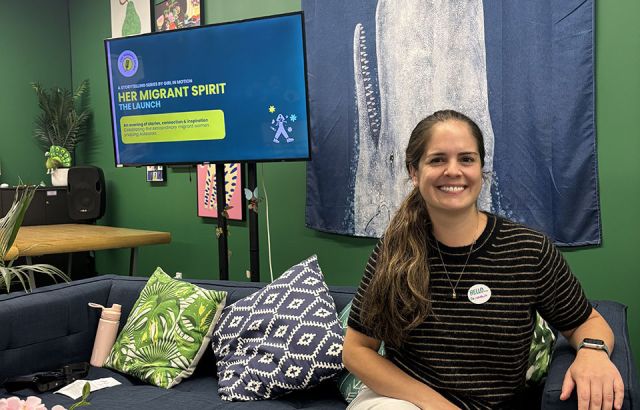
Entrepreneurial platform for migrant women hopes to help change negative narratives
Keesha Levesque • June 8, 2026
Entrepreneurial platform for migrant women hopes to help change negative narratives
Keesha Levesque • June 8, 2026